The Meme as a Political Tool
Think of memes as political cartoons with a Wi Fi connection and a much shorter fuse. They’re bite sized blasts of commentary quick to spread, quicker to anger or amuse and they’ve become one of the fastest ways to package big, messy political ideas into something scrollable. In the attention economy, nuance doesn’t trend, but a punchy image with just the right amount of irony? That gets screenshots, reposts, takes.
In seconds, a meme can frame an issue, take a side, and rally a crowd. But not all memes aim just to entertain many are designed to provoke. Some use layered satire to poke holes in power structures; others apply sarcasm and misdirection to muddy waters. Either way, humor is the muscle, and simplification is the price.
Political memes don’t need to tell the whole story they just need to hit hard enough to make someone laugh, get mad, or click “share.” That’s their power. But it’s also their risk. The same mechanisms that can defuse tension can just as easily turn sparks into wildfires. And in polarized surroundings, subtle irony often dies on the timeline.
Memes aren’t just entertainment they’re loud, fast moving agents in the discourse. Whether they clarify or manipulate depends on the intent behind them and how they’re received once they’re loose in the feed.
Speed, Spread, and Influence
Why Memes Move Faster Than Traditional News
In the digital age, attention is a currency and memes are built to spend it quickly. Unlike traditional articles or broadcast reports that require time and context, memes operate on instant impact. Their compact visual design, easily consumable format, and built in humor make them tailor made for rapid sharing across social platforms.
Key reasons for their fast spread:
Instant recognition: Users can understand and react to memes within seconds.
Algorithm friendly: Memes generate quick engagement likes, shares, and comments which platforms prioritize.
Low barrier to entry: Anyone can create or remix a meme with minimal effort or resources.
Case Studies: Memes That Shaped Elections
Memes have played outsized roles in shaping public opinion and driving engagement during high stakes political events. Some started as jokes but evolved into symbols of deeper political sentiment. Others were part of coordinated efforts to influence voter behavior.
Notable examples include:
2016 U.S. Presidential Election: Memes like “Pepe the Frog” became politicized, shifting from internet subculture into contentious political discourse.
Brexit Campaign: Simple, shareable memes helped distill complex EU related issues into viral slogans and visuals like “Take Back Control.”
Indian General Elections: Parties targeted youth voters using culturally relevant meme formats to make political messaging more accessible.
These examples highlight how memes can be tools for both grassroots expression and strategic influence.
The Network Effect: Amplification and Polarization
Social media platforms are designed to reward speed and virality, not necessarily nuance or truth. Once a meme begins to gain traction, the network effect kicks in lifting visibility exponentially via reshares, algorithm boosts, and cross platform reposting.
However, with amplification comes polarization:
Filter bubbles: Users frequently see memes aligned with their views, reinforcing biases.
Escalation of extremes: Memes often simplify nuances into binary, emotionally charged messages, making compromise harder.
Platform dynamics: Reddit, Twitter, TikTok, and Facebook each amplify memes in different ways, shaping audience perception and political alignment.
Understanding this ecosystem is key for anyone navigating political discourse today. Memes don’t just influence opinion they shape the very frameworks through which people engage with politics.
From Joke to Agenda
Most memes don’t start with a campaign strategy. They’re born in comment threads, subreddits, and group chats a snarky spin on reality, maybe tossed off in five minutes. But in the current digital climate, the jump from inside joke to ideological weapon is faster than ever.
Political actors grassroots or not know the value of a meme that masks agenda with irony. What starts as satire often gets remixed, forwarded, and stripped of its original tone until it functions less like a joke and more like propaganda. The blurred line is the point: weaponized content masquerading as a laugh.
The real challenge? Tracing what’s legit and what’s engineered. Coordinated campaigns often mimic grassroots energy. They adopt the language and humor of web culture, tweaking just enough to push a narrative while flying under the radar. That makes it tough to tell whether a meme reflects genuine public frustration… or if it’s a subtle push from a think tank, bot farm, or bad faith actor.
In a space where anonymity thrives and virality is currency, satire becomes a delivery system. And audiences don’t always notice when the payload changes.
Emotional Triggers and Echo Chambers

Memes go viral for a reason, and it’s not because they’re fair or balanced. They hit nerves. Humor and outrage emotional opposites are the engines that push memes into our feeds and minds. A well placed laugh or a jolt of indignation makes content memorable. That’s the sticky power of emotion in the meme economy: it grabs attention fast and keeps users clicking, sharing, reacting.
Emotionally charged memes don’t just entertain they shape beliefs. When you see the same pointed punchline or angry one liner repeated across different groups, it doesn’t take long before it feels true, even if it isn’t. That’s how memes work: by boiling down messy issues into fast, emotional shorthand. You’re not getting nuance you’re getting a narrative.
Echo chambers add fuel to the fire. Most users don’t stumble into ideological diversity online; they live in feeds tailored by past clicks and shares. If a meme appeals to your worldview, you’re likely to see it echoed back at you over and over strengthening your belief that it’s valid, even self evident. Truth becomes secondary to repetition. And while that might seem harmless in a sea of cat jokes, the political implications are anything but.
Case Studies in Meme Controversy
Memes are not just punchlines they’ve become political lightning rods. Real world examples prove just how much power a viral image can hold when it comes to swaying public perception and even shaping policy.
Remember the “Pepe the Frog” saga? What began as an innocuous cartoon spiraled into a symbol co opted by extremist groups. It got enough traction to be labeled a hate symbol by the Anti Defamation League. That wasn’t just online drama. It affected political narratives and pushed platforms to rethink content moderation policies.
Or take #DankBrandon a meme revival of President Biden with exaggerated superhero swagger. It started as ironic support but swiftly crossed over into official messaging. The White House leaned into the meme, using it in social posts and merchandise, showing just how blurred the lines have become between internet culture and political branding.
Another case: memes during the 2020 U.S. election weren’t just sharable laughs. They framed topics like mail in ballots, voter fraud, and COVID 19 policy with bite sized hooks that often outpaced traditional fact driven journalism. Many of those memes came from clearly partisan origins but spread far beyond their source.
Memes have also had global reach during the French protests over pension reform, memes mocking Macron as “King Macron” gained so much momentum that opposition leaders referenced them in parliament, reflecting public frustration.
What was once fringe internet behavior now molds headlines, rhetoric, and public memory. The pipeline from meme to mainstream isn’t just fast it’s strategic.
For a deeper dive into high profile cases, check out Controversial Meme Impact.
The Double Edged Sword of Meme Activism
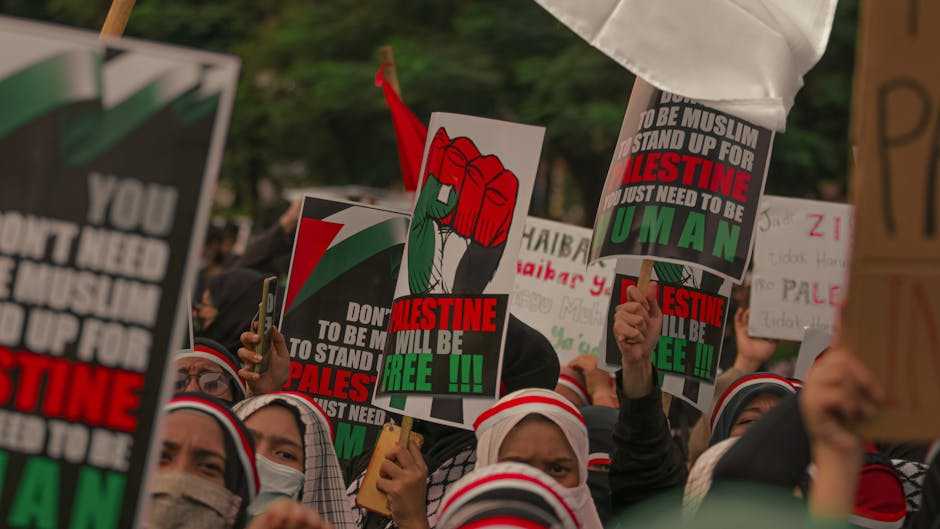
Memes are loud tools. On one side, they’ve given marginalized voices a fast, visual way to punch through elite narratives. A clever image and a few biting words can spotlight injustice where traditional media falls silent. Activist communities have used this to shift public opinion, organize protests, and challenge power with nothing more than a smartphone and sarcasm.
But for every empowering meme campaign, there’s a darker mirror. Rage spreads faster than nuance. Memes can be weaponized into digital mobs, turning complex issues into battleground hashtags. Anonymity adds fuel helping voices rise but also making it easy to manipulate, misinform, or target individuals without accountability.
Platforms are caught in the crossfire. If they clamp down on toxic content too hard, they risk muting real dissent. Go soft, and they become echo chambers for harm. The line between moderation and censorship hasn’t gotten clearer it’s just more crowded. Meme activism is powerful, but it’s a tool that cuts both ways: rally or destroy, depending on the hand that wields it.
Where It All Might Be Headed
Memes as Political Time Capsules
Memes are more than fleeting trends they’re snapshots of the political climate. Like digital graffiti, they capture the mood, rhetoric, and values of a moment in time. As social platforms evolve, memes are increasingly being archived, studied, and cited as part of our collective historical record.
Memes reflect public sentiment during key political moments
Archives preserve context and intent, revealing how discourse changes over time
Scholars and journalists now treat memes as primary sources in political analysis
The Rise of AI Generated Memes
Advancements in AI have ushered in a new era for meme creation. Tools that automatically generate captions, images, or content based on trends and algorithms can mass produce politically charged memes in minutes, raising new concerns about authenticity and influence.
AI tools can generate memes rapidly, often tailored to resonate with specific demographics
Risk of disinformation campaigns disguised as humor
Difficult to source or verify origins, blurring the line between satire and manipulation
The Role of Digital Literacy
As memes continue to shape public opinion, digital literacy becomes essential. Understanding how content is created, spread, and consumed can help individuals navigate political messaging with critical awareness.
Teach audiences to question meme sources and intent
Promote awareness of emotional manipulation through humor or outrage
Equip users especially younger voters to resist echo chambers and algorithmic bias
Memes are far from harmless fun they are potent, enduring instruments that can shape beliefs and behavior. As society reckons with their impact, the need for media literacy, transparency, and responsibility grows stronger.