
What Augmented Reality Is Doing Right Now
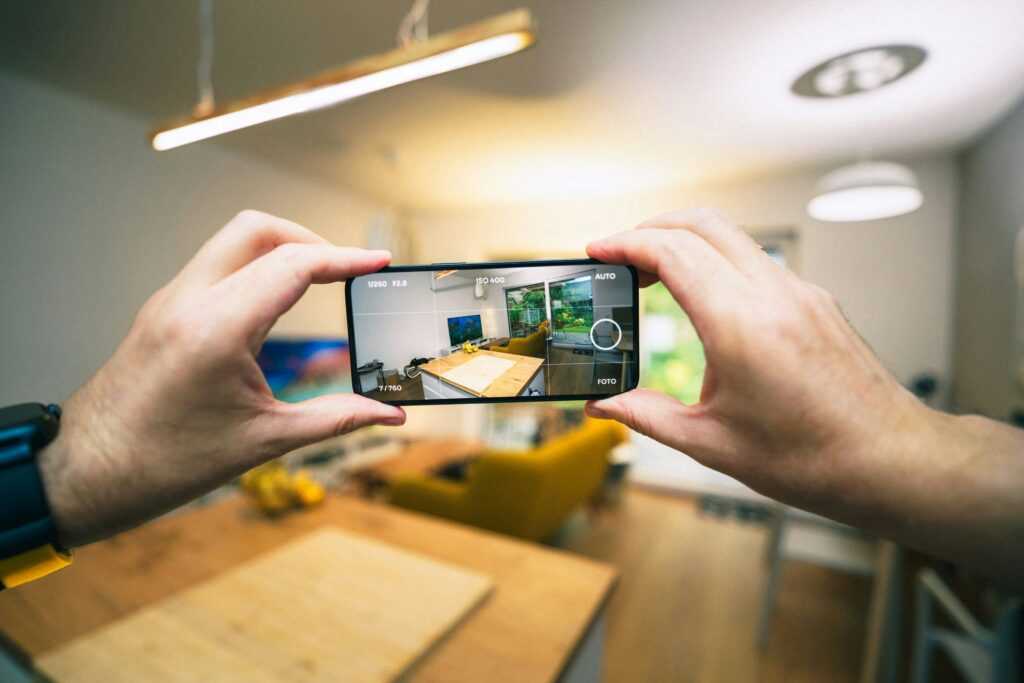
Right now, AR is earning its place in everyday communication not through clunky headsets or sci fi futures, but through the phone already in your pocket. We’re seeing real time overlays pop up in places that actually matter: video calls where users can sketch ideas in mid air, virtual product demos showing how something fits in your space, and immersive additions to gaming that go beyond novelty.
Brands have caught on fast. The old static filter is now an interactive experience. Whether it’s a shoe brand that lets users try on new colorways through their phone camera or makeup companies helping people test shades live from their couch, AR is driving clicks through curiosity and play.
The kicker? You don’t need much to join in. Most AR experiences today require only a smartphone with a decent camera. No goggles, no setup, no mess just install an app or open a browser. That low barrier is why AR’s momentum isn’t hype. It’s happening. Right now.
Where AR Beats Traditional Communication
Flat screens can tell a story. AR lets you step inside one. With 3D visuals layered into real space think floating product mockups or simulated walkthroughs vloggers, brands, and teams are going from telling stories to building them around the viewer. This kind of immersive storytelling doesn’t just capture attention it earns it.
In remote work and virtual collaboration, AR is punching above its weight. A digital sticky note or hand drawn diagram floating between you and a co worker adds a personal, human touch that beats sterile video calls. Eye contact gets a boost when avatars mirror real facial expression. Distance starts to blur.
It’s not just about throwing effects on screen, though. Context aware messaging is key. Great AR communication doesn’t explain it shows. Instead of saying “this feature is intuitive,” you let the viewer use it. Instead of showing a before and after photo, data points change in real time as your audience interacts. The best use of AR today? Making complex stories simple, intuitive and unforgettable.
The Shift Toward Blended Digital Worlds
Holograms in work meetings used to sound like sci fi jargon. Now, they’re slowly becoming a real option for remote teams. AR enabled avatars and 3D models are replacing static screenshares, giving meetings a bit more presence and context. You could be thousands of miles apart but still point to and manipulate the same virtual object in real time. It’s collaboration with a pulse.
On the consumer side, try before you buy AR tools are quietly changing the way we shop. People want to make more informed purchases, and seeing how a couch fits in your living room or how a pair of sunglasses looks on your face before buying is now standard on many retail apps. It’s less novelty, more utility.
Meanwhile, location based AR is creating new layers to social media. Snap a pic near a landmark, and suddenly there’s local context overlayed or even content only available in that GPS zone. This kind of hyper local storytelling is pushing creators to think geographically, not just digitally.
What ties it all together is one clear reality: AR is no longer some fringe experiment it’s a functional layer on top of how we work, shop, and connect. Want to understand what’s powering it beneath the surface? Check out the related read: AI powered online experience.
AR and AI: A Growing Synergy

Augmented Reality isn’t just about slapping filters on your face anymore. It’s getting smarter thanks to artificial intelligence. When machine learning meets AR, things start to feel more tailored, more responsive, and a lot more interesting.
AI now enables AR systems to learn your environment, recognize your behavior patterns, and adjust experiences on the fly. Your phone or headset isn’t just seeing your room it knows if you’re focused, distracted, shopping, or relaxing. That kind of context lets AR move from flashy to functional.
We’re talking about personalized overlays that change depending on your mood or even time of day. Predictive AR uses past interactions to guess what you might want next like suggesting tools during a virtual meeting or recommending a new shirt while you’re glancing at a mirror.
For creators and brands, this isn’t a someday opportunity. It’s already happening behind the curtains of leading platforms. Understanding it now means shaping experiences users won’t just see they’ll feel intuitive.
(Read more on the trend here: AI powered online experience)
What’s Still in the Way
Despite the hype, AR hasn’t reached full throttle yet and there are solid reasons why.
First, the gear. Advanced AR wearables like headsets and smart glasses are still too expensive for most people. Prices haven’t dropped enough to move beyond early adopters and developers. If AR is going to scale, hardware needs to be cheaper, less clunky, and easier to integrate into daily life like slipping on glasses, not strapping on a helmet.
Then there’s privacy. Data rich overlays mean your surroundings, behaviors, and even body language could be tracked and analyzed in real time. That kind of ambient data collection makes some people uneasy and rightly so. Regulation hasn’t caught up yet, and users want to know who’s collecting their data, how it’s being used, and if they can opt out.
Finally, access. AR thrives on bandwidth. In rural or underconnected areas, the seamless overlay experience suffers or just doesn’t happen at all. Until fast, stable internet is widespread, AR will hit a hard ceiling in reach and usability.
AR has major promise, but it’s not plug and play for everyone just yet. The roadblocks are real and solving them will be the key to going mainstream.
Signs The Future’s Already Here
If you’ve used a dog face filter on Snapchat or played around with virtual backgrounds on Zoom, you’ve already touched the edges of AR. These aren’t just gimmicks AR tools are quietly embedding themselves into how we talk, connect, and work. Messaging apps like Instagram and TikTok are turning casual conversations into interactive experiences. Filters aren’t just for fun anymore; they’re how brands launch products and creators build identity.
The shift isn’t accidental. Big tech is doubling down on AR infrastructure. Apple’s Vision Pro, Meta’s continued investment in wearable AR, and Google’s ARCore ecosystem all point in one direction: augmented reality is being treated as foundational, not experimental.
Outside the tech giants, startups are carving deep niches. In education, AR simulations are helping medical students practice surgeries. In mental health, augmented environments support exposure therapy and mindfulness coaching. Remote teams are using spatial AR to whiteboard across continents. We’re watching the early stages of a reset not just in how we communicate, but in how we understand presence itself.
Where Digital Communication Is Headed
Flat screens are becoming the starting point not the destination. The next evolution of digital communication is spatial. We’re moving toward 3D environments where presence and participation feel real, not just represented. Think less about scrolling feeds and more about stepping into shared spaces, whether for casual chats or full on presentations.
AR is the interface that makes this shift possible. It’s not about flashy filters anymore. It’s about layering useful context over your actual world guidance, feedback, or collaboration tools right where you need them. Whether you’re co designing a product, getting real time translation during a conversation, or just seeing body language in a more natural, dimensional way AR is now doing the heavy lifting.
The future isn’t about more tech. It’s about smarter connections. AR will merge visual data, emotional cues, and practical feedback into experiences that feel intuitive. The end goal isn’t novelty it’s clarity, speed, and humanity in how we interact.