
Defining “Dank” in a Digital Context
What Makes a Meme “Dank”?
The term “dank meme” has shifted over time, but at its core, it refers to internet humor that is layered, surreal, and often deliberately low fi or absurd. Unlike “normie” memes those that are widely shared, quickly digestible, and based on familiar templates dank memes dive deeper into humor that’s self referential, ironic, and tailored to specific internet subcultures.
Key differences between dank and normie memes:
Normie memes usually follow mainstream trends and are accessible to a broad audience.
Dank memes often require context, in group knowledge, and a taste for the bizarre.
Normie memes are meant to go viral; dank memes survive and evolve in niche corners of the web.
Irony, Absurdism, and Layered Meaning
A hallmark of dank memes is their use of irony and layered humor. A single image might reference an obscure internet event, mash it with surreal visuals, and rely on text written in broken grammar or in full caps and misspellings as a stylistic choice.
Elements that define dank meme aesthetics:
Ironic juxtapositions or contradictions
Absurd or intentionally low effort visuals
Referential depth that ties into niche internet lore
These layers aren’t accidental they’re what separate a lazy meme from one crafted for maximum niche appeal.
From Mainstream to Meta
Dank memes often begin as mainstream content before being warped, remixed, or parodied into new forms that are far removed from their origins. This process reflects the internet’s natural life cycle for trends: what starts as familiar becomes exaggerated, and eventually, it folds in on itself.
Evolution in action:
A normie meme gains popularity
It gets remixed with layers of irony, self reflection, or absurdism
Community members push it further into the meta, making it nearly unrecognizable to outsiders
This constant mutation helps dank memes avoid stagnation and keeps niche communities sharp and self sustaining.
Gatekeeping the Feed
The best memes rarely start on the front page. They’re incubated in tucked away corners of the internet invite only Discord servers, niche subreddits, and obscure imageboards. These are places where meme culture isn’t just consumed; it’s created, curated, and moderated by the people who care the most. Think small but loyal groups where everyone knows the tropes and expects a certain level of wit or absurdity.
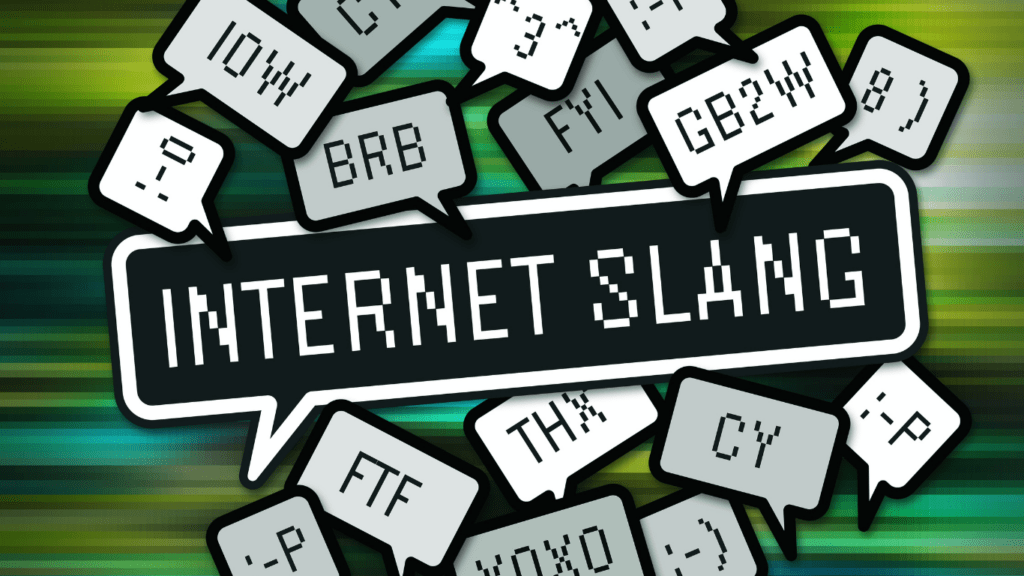
Insider language is one of the biggest filters. If you don’t get the reference, move along. In jokes, misspellings turned sacred, and niche lore keep outsiders confused and insiders entertained. The humor evolves fast, and part of the thrill is keeping up. There’s no official rulebook, but users are quick to call out stale, recycled content. Quality control is social, not algorithmic.
Exclusivity isn’t about elitism it’s about environment. When everyone’s trying to go viral, originality suffers. But when a space isn’t built for visibility, creators focus on pushing the craft. A meme might flop with normies but kill within its circle. That’s the point. The restraint, the context, the lack of mass appeal it all fuels creativity.
Cultural Literacy Through Humor
Memes Move Fast So Does Commentary
Dank memes aren’t just jokes they’re snapshots of how communities interpret the world in real time. With their layered references and blink and you’ll miss it timing, these memes often serve as fast moving commentary on politics, media, and cultural moments.
Instantly reactive to global events, celebrity news, and niche drama
Speak a language that’s informal, coded, and rich in irony
Act as a medium for critique disguised as absurdity
Laughing Through the Lens of Real Life
Niche communities regularly use dank memes to process serious or sensitive topics. From economic anxiety to mental health, the humor often masks a shared struggle or subversive take. What looks like nonsense can carry a surprising amount of weight beneath the punchline.
Memes about burnout, depression, identity, and existential dread
Situational humor rooted in specific cultural or generational contexts
The absurd becomes therapeutic a coping mechanism in a chaotic landscape
Reinforcing Identity Through Inside Jokes
Memes also reinforce a deep sense of belonging. The more obscure or layered the humor, the more it marks an “in group.” Posting, liking, or understanding the meme becomes a signal of shared perspective.
Inside jokes build community bonds
Common references create a language only the group speaks
Memes as a unit of identity not just content, but culture
For a closer look at how dank memes shape and reflect community identity, see meme subcultures explained.
The Algorithm Can’t Touch This
Dank memes don’t start on the front page they break in the shadows. Tiny forums, closed Discord servers, and oddball subreddits are where raw, weird, brilliant humor takes shape. These smaller spaces have one big advantage: they’re mostly invisible to algorithms. Unlike platforms where engagement drives reach, niche communities let content breathe before it’s judged by metrics.
Because the algorithm isn’t hovering, there’s no pressure to optimize. That freedom lets memes stay messy, experimental, and layered. Value comes from the inside joke, not the outside click. And ironically, that’s exactly why some of these memes go viral later they weren’t trying to. They were built slowly, for a few, by a few.
Then comes the resistance. Once a meme jumps into broader feeds, the community often lets it go or buries it. Overexposure kills context. What was once hilarious because it was hidden becomes dull once it’s everywhere. The cycle is simple: create in dark corners, share among the like minded, and dodge the mainstream until it’s time to move on to the next.
In the dank meme world, opacity is a feature, not a flaw.
Copy, Remix, Repeat
Meme culture doesn’t sit still it mutates. One format leads to another, then loops back in on itself. A tweet becomes a screenshot. A screenshot becomes ironic image macro. Next thing you know, that same macro is stitched into a TikTok reaction, layered with audio from a niche 2012 video game, and suddenly it’s the new inside joke running across three subreddits. There’s no single origin just a mess of references catching fire in different corners of the internet.
Dank memes thrive on this constant remixing. They draw from fresh fuel: politics, pop stars, anime clips, football bloopers, hyper specific online drama. The more bizarre or unexpected the combination, the better. But it’s not chaos for chaos’ sake. There’s intentionality beneath the absurdity. Each creative twist builds on what came before, morphing the original into something new, but still familiar like digital folklore told in shorthand.
Eventually, the line between copy and innovation blurs. That’s the sweet spot. A meme might start as a reaction to Drake’s outfit or a niche celebrity spat, but a few iterations later, it’s no longer about that. Instead, it’s become a standalone artifact meaningful only to those who tracked the evolution. Derivative work, yes. But also uniquely original in its path.
Meme Legacy and Cultural Impact
Digital Folklore in Real Time
Dank memes don’t just entertain they document. Much like traditional folklore, memes pass through online spaces as evolving forms of expression. They capture collective emotions, shared experiences, and pop culture reactions all within a few pixels or poorly compressed images.
Memes serve as cultural artifacts of digital communities
Each iteration modifies, exaggerates, or preserves a collective moment
Dank memes, in particular, carry layers of context tied to internet subcultures
Archiving Online Identity
Once a meme fades from public view, it’s not gone it’s archived. Dank meme history lives in dedicated subreddits, Discord channels, niche wikis, and digital libraries, forming a trove of internet history for future digital archaeologists.
Archived memes showcase how humor responded to events, trends, or internet drama
Patterns of reaction and remixing reflect changing societal norms
Memes become a lens for understanding what mattered culturally at that time
A Link to Deeper Meme Culture
To decode dank meme significance, you need both context and cultural awareness. Think of it as shared digital literacy one that adapts as references layer and mutate.
Understanding a meme’s history reveals insight into its meaning
Communities often treat older formats as templates loaded with historical weight and irony
(See also: meme subcultures explained)