
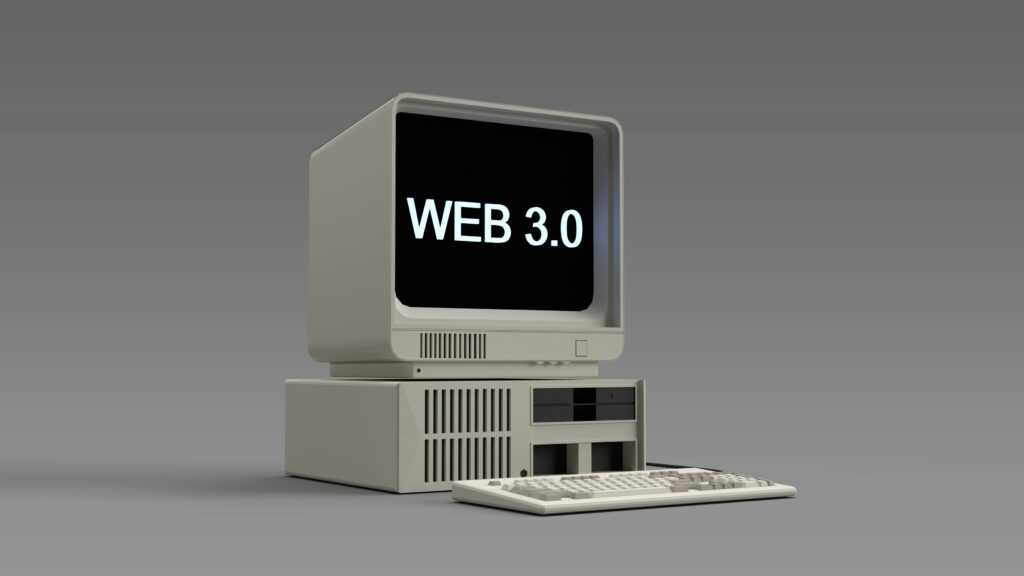
Quick Reframe: From Web3 to Web4
Web3 arrived with big promises: decentralization, user control, and data ownership. It brought blockchain into the mainstream, gave rise to digital wallets, and put power in the hands of creators and communities at least in theory. The idea was simple but bold: shift the internet from something you just use, to something you partly own.
But Web4 isn’t just Web3 with a fresh coat of paint. It’s a step change. A rethinking of how the internet should operate. Instead of simply owning bits of the internet (tokens, assets, identities), Web4 is about enabling those pieces to act intelligently on their own. It’s a mindset shift from “read write own” to “read write execute.”
This means systems that don’t just show information or store it, but also make decisions, automate tasks, and adapt in real time. It’s about giving the web a kind of agency not just for platforms or developers, but for everyone.
Web4 is less about decentralizing everything and more about making everything work smarter and faster, with less input and more intuition. If Web3 was about infrastructure, Web4 is about action.
Core Principles Behind Web4
Web4 isn’t just about a sleeker experience it’s about folding intelligence directly into the web’s bones. We’re not talking about chatbots bolted onto websites. We’re talking full stack AI that fuels your search, curates your feeds, negotiates pricing, and adapts in real time. Intelligence, baked in. It’s less clicks, more context. More value, less noise.
Then there’s automation but not the clunky version from five years ago. With low code and no code frameworks, entire workflows are now built by users who don’t touch a line of code. Platforms learn your preferences and begin to pre act. Booking a trip? The site already knows your timing, budget, and past choices. It doesn’t just suggest it executes.
Symbiosis is the bridge. We’re tipping into an internet that doesn’t stop at the screen. Wearables feed your dashboards. Smart homes react to your calendar. Your digital layer shadows you in the physical world, quietly updating in lockstep. Not surveillance assistance. Done right, it’s invisible and useful.
And here’s the kicker: logic goes local, but models stay centralized. Data might no longer leave your device, but the intelligence it taps into is pulled from massive, centrally trained systems. This hybrid model lets Web4 scale up flexibly while honoring edge privacy and latency demands.
It’s messy, new, and anything but predictable but it’s already happening.
Web4 and the No Code Revolution
Why Web4 and No Code Are a Natural Fit
Web4 represents a more intelligent and responsive internet where platforms can adapt, learn, and act on data with minimal human input. This vision pairs perfectly with the no code movement, which empowers non programmers to build sophisticated tools and automations without writing traditional code.
Web4 promotes intuitive interaction, not complexity
No code tools lower barriers for creators, entrepreneurs, and small teams
Intelligent assistants and autonomous workflows can be built by anyone, not just developers
Building Smarter, Faster
Modern no code platforms enable users to create:
Dynamic web apps
AI powered chatbots and decision agents
Smart automations that handle repetitive tasks
All of this can be done in a fraction of the time (and cost) it once took with traditional development.
Explore more: The Rise of No Code and Low Code Platforms
From Programming to Systems Thinking
As no code capabilities grow, the essential skill set is shifting:
Old focus: Mastering syntax and programming languages
New focus: Designing flows, logic, and intelligent systems
Web4 encourages creators to think like architects not just builders. You won’t just write code; you’ll design responsive, ethical, and user centered systems.
In this new paradigm, knowing how to connect tools, structure data, and sequence actions will be far more valuable than traditional development alone.
Real World Use Cases Already Emerging

Web4 isn’t just theory anymore real deployments are popping up in sectors that affect everyday life. Public services are leading the charge, using AI and blockchain to automate bureaucracy and build trust. Think permit approvals, tax filings, or benefit distributions happening faster, managed by systems that log everything transparently and securely.
On the private side, personalization has leveled up. Powered by real time data and AI decision layers, digital services everything from media platforms to ecommerce are crafting experiences that react and adapt as users engage. Rather than choosing settings or filters, your preferences are inferred through behavior and context, then used to serve up what you need without asking first.
Meanwhile, autonomous digital agents are pulling more weight. Whether it’s booking travel, managing subscriptions, or filing routine paperwork, small AI driven bots can now act on a user’s behalf. These aren’t just chatbots they’re doers. With the right permissions, they can handle decisions, execute transactions, and streamline repetitive tasks before you even check in.
What’s striking is the shift from self service to self adapting service. In Web4, systems don’t just wait for input they anticipate, learn, and act.
Who’s Leading the Charge (and Who’s Catching Up)
Web4 isn’t some abstract future tech real players are already making moves, and the map is global. Europe and Asia are coming in hot. Startups from Estonia to Singapore are building platforms where AI runs native and users interact through adaptive interfaces. Think less static websites, more intelligent systems that respond, learn, and execute in real time.
Meanwhile, legacy tech firms many caught flat footed during the Web3 hype are trying to muscle into relevance. Their strategy? Retro fitting AI into old platforms and labeling it Web4. Some of it works, especially where scale matters. But innovation isn’t being driven from the top down anymore it’s scrappier now, and moves fast.
Governments are also putting skin in the game. Digital identity projects in India and the EU have pivoted toward more integrated, AI forward infrastructure. Whether it’s issuing credentials, managing benefits, or securing personal data, public services are becoming the quiet proving grounds for Web4 level tech.
The takeaway? This isn’t about big brands or buzzwords. It’s about who can move fast and build systems that think, not just process. And that playground is wide open for now.
What to Watch in the Web4 Stack
Web4 is more than a sleek buzzword it’s a stack play. And three key layers are defining its backbone:
Edge computing is stepping into the spotlight, slashing latency by bringing computation physically closer to where data is generated. Forget the clunky roundtrips to distant servers. Everything from stream processing on smart glasses to real time context in autonomous agents snaps into action with near zero delay. For developers and creators, that means smoother delivery and better UX, especially on devices that don’t want the cloud in their critical path.
Interoperable identity protocols are quietly fixing the login mess. Wallets, digital passports, and biometrics are finally moving past walled gardens. Think one identity that flows across apps, platforms, and services owned by the user, not the platform. This isn’t just about convenience; it’s about rebalancing trust and autonomy for every internet participant.
Last up, AI middleware that personalizes without creeping is becoming table stakes. These engines sit between the data layer and user interface, serving insights and tweaks in real time without hoarding someone’s digital footprint. Tools like federated learning and synthetic data are leading the way, giving platforms intelligence without surveillance. The result? Experiences that are sharp, relevant, and privacy forward exactly what Web4 promises.
Together, these components aren’t just building a faster internet. They’re building a smarter, safer one.
Bottom Line: What This Means for Builders and Users
Web4 strips out a lot of the busywork. You don’t need to be a coder, an AI researcher, or a data scientist to build something impactful anymore. Tools are faster. Interfaces are simpler. The friction between idea and execution is shrinking fast.
This shift is less about learning a new language, and more about learning how to think. Designers who understand systems, creators who can work with data patterns, and builders who ask ethical questions as they deploy automation that’s where the power is moving. The skill set of tomorrow isn’t just technical. It’s creative, analytical, and grounded in responsibility.
Web4 doesn’t see users as passive consumers. Everyone’s a builder, a tuner, a decision maker. Whether you’re spinning up a personal AI agent, customizing a digital workspace, or orchestrating how your devices talk to each other, it’s about owning the flow not just following it.
(Related read: No code platforms rise)